
Addiction vs dependence: Definitions and differences
Recognizing that physical dependence can develop through appropriate medical use helps reduce judgment toward people who need medication for legitimate health conditions. Addiction treatment must address the behavioral and psychological factors that drive compulsive use. This typically involves counseling, behavioral therapy, support groups and long-term recovery planning that goes far beyond managing physical addiction vs dependence withdrawal symptoms.

BEHAVIORAL HEALTH AND ADDICTION TREATMENT PROGRAMS
This inaccurate label carried the heavy stigma of addiction, causing undue distress for patients and potentially leading clinicians to inappropriately withhold necessary pain medication out of fear. By utilizing evidence-based treatment approaches, individuals can receive the support they need to overcome addiction or manage dependence effectively. Remember, seeking professional help and support is crucial in the journey towards recovery. The severity and duration of withdrawal symptoms can vary depending on the substance and individual factors. The table below provides examples of substances that commonly lead to physical dependence. Start by understanding the difference between drug dependence and addiction so that you can appropriately talk about it, ask informed questions, and address it in your inner circles.
- It’s important to recognize and address these triggers to create a supportive environment that promotes healthy choices and reduces the risk of developing addictive behaviors.
- We will also look at how they fit into the overall umbrella of what are “substance use disorders”.
- These courts operate on a collaborative, non-adversarial model that brings together a team of judges, prosecutors, defense attorneys, and treatment providers.
Does tolerance lead to dependence?

Doctors may also prescribe certain medications to manage dependence and addiction. The length of recovery from addiction varies depending on individual factors, such as the substance used, the severity of the addiction, and the support system available. Recovery can take several months to years, with some individuals requiring long-term support and therapy to manage triggers and prevent relapse. It is often an ongoing process, and recovery can involve multiple stages including detox, rehabilitation, and maintenance. To summarize, understanding the distinction between addiction and dependence is essential in addressing substance abuse effectively.
Signs of Addiction:
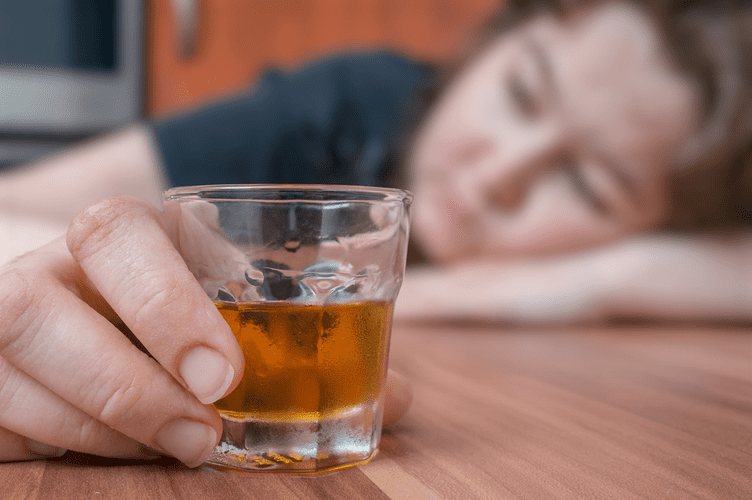
Physical detoxification in a hospital may be a preliminary step for some individuals. Enrolling in an intensive outpatient or residential inpatient rehabilitation program or treatment center may be recommended for others. For further support, one might connect with a psychiatrist or therapist to explore the psychological aspects of addiction.
Signs of Dependence:
- A fine line separates the chains of dependence from the relentless grip of addiction, yet the distinction holds profound implications for those caught in their grasp.
- Recognizing these symptoms is an important step towards acknowledging the presence of addiction or dependence and taking the necessary actions to seek help.
- For some substances, such as alcohol, suddenly stopping it can be dangerous.
- During that time, the person quickly develops a tolerance, and it doesn’t take long for the brain to become dependent on the drug.
Understanding the physical aspects and behavioral patterns of dependence is crucial in distinguishing it from addiction. While dependence focuses on the body’s adaptation and the subsequent withdrawal symptoms, addiction encompasses a broader scope that includes psychological aspects and behavioral patterns. By recognizing and comprehending these differences, individuals and healthcare professionals can develop appropriate strategies for intervention, treatment, and support. In physical dependence, medications help manage withdrawal symptoms and reduce cravings.
For example, attempting to stop the substance may cause someone to experience anxiety or depression as a result. While this loss of control may be for different reasons, addiction and dependence may appear the same to a loved one or outside observer. Where someone with dependence may not have the strong urge to take a substance for its effect, patterns of addiction may develop over time. Psychological dependency, on the other hand, relates to the reliance on substances for mental and emotional well-being. Some might benefit from inpatient treatment, Sober living house while others thrive with outpatient care.
Lascia un Commento
Vuoi partecipare alla discussione?Sentitevi liberi di contribuire!